Family-Friendly Septic Services Wantage NJ With Dependable Results
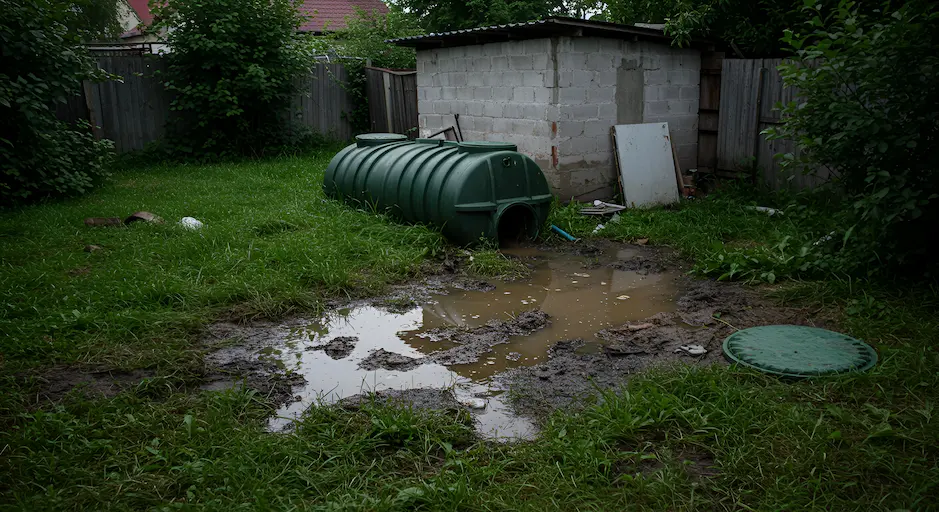

A septic system is one of those parts of a home that gets almost no attention when it works well and all the attention in the world when it does not. Families in Wantage know that firsthand. Between busy school mornings, weekend sports, guests during holidays, and the steady demands of country living, nobody wants to deal with backups, odors, wet patches in the yard, or an emergency pump-out on a freezing night.
That is why family-friendly septic services Wantage NJ homeowners can count on are not just about pumping a tank and moving on. They are about reliability, clear communication, safe work habits, and practical advice that helps a household stay ahead of expensive problems. A dependable septic company understands that it is not walking onto a jobsite, it is walking onto someone’s property, often where children play, pets roam, and daily routines cannot stop for long.
In rural and semi-rural communities, septic systems are not unusual or complicated in theory. What makes them challenging is that every property tells a slightly different story. Soil conditions vary. Tank sizes differ. Older homes may have systems added in stages over decades. Some families have five people in the house all year. Others host grandparents every summer or run a home business that changes water use patterns. Good septic services take those realities seriously.
What dependable septic service really looks like
Dependability in this field is not a slogan. It shows up in habits. A reliable technician arrives when promised, explains what they are seeing, protects the surrounding area as much as possible, and does not use scare tactics to push unnecessary work. When a family is already stressed about a septic issue, the last thing they need is vague language or high-pressure salesmanship.
A dependable provider also knows the difference between routine maintenance and a system in real distress. There is a big gap between a tank that is simply due for pumping and a drain field that is failing. A good contractor will not lump those together. They will describe what is urgent, what can wait, and what should be monitored over time.
That matters for budgeting. Septic work can range from a standard service visit to a much larger repair, and homeowners deserve honest information. In my experience, families respond well when the contractor treats them like partners rather than passive customers. If a tank is overdue but otherwise sound, say so. If there are warning signs, explain them plainly. If habits inside the home are contributing to stress on the system, bring that up respectfully and with practical suggestions.
Why families in Wantage have different needs than a vacant property or seasonal cabin
A family home puts a septic system through a very specific kind of wear. It is not just volume, it is timing. Morning showers, laundry loads, dishwasher cycles, and evening baths often come in clusters. That surge pattern can strain a system more than the same amount of water spread evenly over a day.
Children also change the equation. Wipes flushed by mistake, long bath times, and toys or foreign objects finding their way into toilets are all common service call triggers. Pet owners face another layer. Dogs may dig near tank covers or disturbed soil after maintenance. Families with large yards may not realize they are driving riding mowers or utility vehicles too close to parts of the system.
A family-friendly septic company recognizes these realities without lecturing. They know that homeowners are trying to keep a household running, not earn a degree in wastewater management. The best service teams give advice that people can actually use, such as spacing laundry across the week, keeping records in one folder, and learning where key septic components sit on the property.
The local factor in septic services Wantage NJ
Location matters more than many homeowners think. Septic care is tied closely to climate, soil, topography, and local building patterns. Wantage has the mix of older homes, newer builds, larger lots, and weather swings that can expose weak points in a septic system. Heavy rain can saturate ground and slow drainage. A cold snap can complicate exposed lines or service access. A home perched on a slope presents different runoff and drainage concerns than one on flatter ground.
That is where local knowledge pays off. A contractor familiar with septic services Wantage NJ residents need is more likely to recognize recurring site conditions and practical maintenance patterns. They know how rural driveways affect truck access after storms. They know that homeowners may have wells nearby and need careful, responsible work around both systems. They know that a seemingly minor wet patch after a rainy week might need a different interpretation than the same patch during a dry spell.
There is also a communication benefit to working with a company that knows the area. Local teams often speak more directly about what homeowners can expect because they have seen similar properties many times. They may know when a system layout is typical for a neighborhood or when an older installation deserves extra caution during inspection.
Pumping is routine, but timing matters
Most families understand that septic tanks need periodic pumping. What often gets overlooked is that there is no single schedule that fits every household. Occupancy, tank size, garbage disposal use, laundry habits, and even how often people eat at home can influence how fast solids accumulate.
A three-bedroom household with two adults may go longer between service visits than a similar house with five people, frequent overnight guests, and heavy laundry use. A home that uses a garbage disposal regularly often fills the tank with solids faster than one that keeps food scraps out of the drain. Those are not abstract points. They can shift the safe pumping interval by a meaningful amount.
A sensible provider will talk in ranges, not absolutes. If the system has service records, they should be reviewed. If not, the first proper pumping and inspection often establishes a useful baseline. From there, the household can build a maintenance rhythm that reflects real use.
Here are some common signs that a family should schedule septic service sooner rather than later:
- Slow drains in several fixtures at once
- Gurgling sounds after flushing or draining tubs
- Sewage odors indoors or near the tank area
- Unusually green or wet patches over the drain field
- Backups in the lowest drains of the house
None of those signs automatically means catastrophic failure, but none should be ignored. Waiting rarely makes septic issues cheaper.
The value of a careful inspection
Inspection is where skill really shows. Pumping removes waste, but inspection helps reveal the condition of the system. That can include checking sludge and scum levels before pumping, examining baffles, looking for signs of root intrusion, confirming lids and risers are secure, and evaluating whether effluent appears to be moving as expected.
For families, this is one of the most valuable parts of professional septic services. A careful inspection can catch smaller issues before they grow. A cracked lid is a safety problem. A damaged inlet baffle can affect how solids settle in the tank. Signs of hydraulic overload may point to household habits that need adjusting or to a larger mechanical issue.
A good technician will also note what they cannot verify without further work. That honesty matters. Sometimes the visible parts of a system look acceptable, but performance issues suggest hidden problems in lines or the drain field. It is far better to say that than to offer false reassurance.
Safety is part of being family-friendly
When people hear “family-friendly” in home services, they often think of polite scheduling and respectful customer service. Those things matter, but in septic work, safety is a much bigger part of the phrase.
Septic tanks and access openings are dangerous. Covers must be secure. Excavated areas should never be left carelessly exposed. Equipment should be positioned thoughtfully so children and pets are not tempted to wander near hoses, open access points, or trucks during service. A professional crew knows that even a routine visit can become hazardous if the site is not managed properly.
Families should expect clear boundaries and direct instructions during the visit. If a technician asks that kids stay indoors or dogs be kept away from a work zone, that is not overcaution, it is basic professionalism. The same goes for discussing where vehicles can and cannot drive on the property. Protecting the drain field from compaction is not just about preserving the system, it is also about preventing future failures that could put sewage closer to play areas or outdoor gathering spaces.
What homeowners can do between service appointments
A septic system does not need constant attention, but a few sensible habits make a big difference. The healthiest systems are usually attached to households with moderate, consistent water use and realistic expectations about what plumbing can handle.
The most useful habits are not glamorous. They are simple and repeatable:
- Spread laundry over several days instead of doing many loads back to back
- Keep wipes, grease, paper towels, and hygiene products out of toilets and drains
- Know where the tank and drain field are before landscaping or adding structures
- Redirect surface water away from the drain field when possible
- Keep a record of pumping dates, inspections, and repairs
Those habits reduce strain without turning daily life into a science project. They also help technicians diagnose issues faster because the service history is clear.
Repairs, replacements, and the difference between the two
One of the most stressful moments for any homeowner is hearing that a septic system needs more than routine maintenance. The key is understanding whether the issue is isolated or systemic.
A repair usually targets a specific component or problem. That might mean replacing a damaged lid, addressing a clogged line, fixing a broken baffle, or resolving a distribution issue. In the right situation, repairs can restore function without major excavation or complete system replacement.
A replacement is a bigger conversation. It typically enters the picture when the existing system can no longer perform reliably, when the drain field has reached the end of its service life, or when repeated failures point to fundamental design or capacity problems. On older properties, replacement may also involve bringing the new installation into line with current requirements, which can add complexity.
For families, the emotional and logistical side of this cannot be ignored. A replacement project affects yard use, schedules, and finances. Good septic services help homeowners understand the sequence, the disruption involved, and the long-term benefit. They do not pretend it is a small inconvenience. They explain the trade-offs honestly.
Real-world issues that often surprise homeowners
The septic problems that catch families off guard are rarely dramatic at first. More often, they begin as small signs that are easy to dismiss. A basement toilet burps once. A patch of grass stays greener after a dry week. A shower drains a little slower than usual. Someone notices an odor outside and assumes it came from a nearby farm.
Then the pattern builds.
One common surprise is how much https://griffiniepm683.scriblorax.com/posts/septic-services-wantage-nj-that-help-you-prevent-unexpected-failures damage water volume can do even when nobody flushes the wrong thing. Long showers, a leaking toilet, and several large laundry loads in one day can overload a struggling system. Another surprise is the effect of surface water. Gutters discharging toward the drain field, poor grading, or seasonal saturation can create conditions that mimic or worsen septic trouble.
Tree roots are another classic example. Homeowners love mature trees, and for good reason, but roots seek moisture and can exploit weak points in pipes. The result may be a recurring clog that looks like a simple plumbing nuisance until inspection reveals the deeper cause.
I have also seen confusion around additives. Many products are marketed as septic helpers. Some homeowners assume a bottle poured down a drain can replace pumping or solve sludge buildup. That is not how sound maintenance works. At best, many additives do little. At worst, they interfere with settling or give families a false sense of security while the tank continues to fill.
Choosing a septic company without guesswork
Homeowners often feel vulnerable when hiring for septic work because the system is buried, technical, and out of sight most of the year. That makes trust especially important. A company does not need flashy language to earn it. They need consistency.
Look for a provider who listens first. If you describe intermittent backups after heavy laundry days, and they immediately jump to the most expensive possible outcome without asking follow-up questions, that is not a great sign. A professional should want to understand the property, household size, maintenance history, and timing of symptoms before offering firm opinions.
It also helps when the company communicates in plain terms. Families should leave a service call understanding what was done, what was observed, and what happens next. Even when there is bad news, clarity reduces stress. Vague phrasing tends to make people fear the worst.
Many homeowners appreciate when septic services are respectful of the broader property as well. Driveway wear, lawn impact, gate access, and pet safety are not side issues. They are part of the service experience. A team that treats the home like a lived-in place rather than a blank worksite usually handles the technical side with the same care.
A practical view of cost and value
Septic maintenance is rarely anybody’s favorite home expense, but it is often one of the best values in property care when handled proactively. Routine pumping and inspection usually cost far less than emergency response, interior cleanup, or major restoration after a backup. The same logic applies to catching small component issues early.
That said, homeowners should not be sold on unnecessary frequency or dramatic language. More service is not always better service. The right schedule is the one that fits the household and the system. Dependable septic services take the long view. They want a family to avoid emergencies, preserve the system, and make informed choices, not panic-spend after every odd noise.
For buyers and sellers, this becomes even more important. A documented maintenance record can make a real difference during a home transaction. It shows that the system has not been ignored and gives the next owner a starting point. In areas where septic systems are common, that kind of recordkeeping is practical, not excessive.
When dependability matters most
There is a moment in every septic problem when a homeowner stops hoping it will go away and decides to call. Sometimes that happens at the first odor. Sometimes it happens after a sink backs up while relatives are visiting for the weekend. However it starts, that moment is when dependability really counts.
Families need service that is steady, respectful, and grounded in experience. They need technicians who understand that a septic issue is not just a mechanical problem, it is a disruption to the household. They need honest explanations, safe work habits, and recommendations that fit real life in Wantage.
Strong septic services Wantage NJ homeowners rely on are not built around gimmicks. They are built around showing up, doing careful work, and helping families protect one of the most important systems on the property. When that happens, the result is more than a pumped tank or a repaired line. It is peace of mind, and for most households, that is the service that matters most.
Excavating New Jersey LLC
Address: 406 County Rd 565, Wantage, NJ 07461
Phone number: +19737914284
FAQ About Septic Services Wantage NJ
What is the average cost to get a septic tank emptied?
Emptying a septic tank costs between $290 and $560 on average, with most homeowners paying about $420. Prices vary based on tank size.
What is septic service?
Septic service inspects, pumps, cleans, and maintains a septic tank. A septic tank is a large, underground container that collects and treats wastewater from your home. Over time, sludge, scum, and other debris, like hair and solids, can build up in your tank and clog your drain field.
How often should you have a septic tank serviced?
A standard septic tank should be inspected every 1 to 3 years and pumped every 3 to 5 years. However, the exact schedule depends on your tank's capacity, household size, and daily water usage.