Best Practices for Scheduling Routine Septic Services

A septic system does its job quietly, which is part of the problem. Homeowners rarely think about it until something smells wrong, drains slow down, or soggy ground appears where it should not. By then, the easy maintenance window may already be gone.
Routine septic services are not complicated in theory, but they are often mishandled in practice. Some properties are pumped too late and pay for repairs that could have been avoided. Others are pumped on a rigid calendar without anyone asking whether the tank size, household use, or drain field conditions justify it. The smartest schedule is not built around guesswork or habit. It is built around how the system is used, what the property can support, and what warning signs appear between service visits.
If you manage your schedule well, septic care becomes predictable. Costs stay manageable. Emergency calls become rare. The system lasts longer, and you are less likely to end up with sewage backup on a holiday weekend, which is exactly when these failures seem to happen.
Why routine timing matters more than most owners realize
A septic system separates solids, scum, and wastewater. Solids settle to the bottom of the tank. Oils and lighter materials rise to the top. The middle layer, called effluent, flows out toward the drain field. That basic process only works if the tank has enough room and enough time to separate those layers.
When pumping is delayed too long, solids can move into the outlet and eventually into the drain field. Once that happens, you are no longer dealing with simple maintenance. You may be facing soil saturation, damaged lines, biomat buildup, or a field that no longer disperses wastewater properly. Tank pumping is relatively affordable. Drain field replacement is not.
The cost gap matters. In many markets, a routine pump-out might run a few hundred dollars, depending on tank size, access, and local rates. Drain field work can reach into the thousands or much more if excavation, permits, and site restoration are involved. Good scheduling is one of the few property maintenance habits that can genuinely save a large capital expense.
There is another reason timing matters. Septic problems rarely stay neatly contained. Untreated wastewater can affect the yard, groundwater, nearby wells, and indoor sanitation. If the home is occupied by children, older adults, or anyone with a compromised immune system, delaying service becomes more than a property issue.
The old three-to-five-year rule is only a starting point
Many homeowners have heard some version of the same advice: pump the tank every three to five years. That range is not wrong, but it is too broad to use on its own.
A two-bedroom home with one careful occupant does not use a septic system the same way as a five-person household that runs frequent laundry loads, uses a garbage disposal, and hosts extended family several weekends a month. Tank size matters. Occupancy matters. Water habits matter. Whether the house is a primary residence or a weekend property matters too.
In the field, I have seen small households go well beyond three years without issue because their actual wastewater volume stayed modest and they were disciplined about what entered the system. I have also seen large families overrun a tank in less than two years, not because the system was defective, but because use patterns changed and nobody adjusted the maintenance plan.
The better approach is to treat the standard interval as a baseline, then refine it with real information.
What should shape your septic service schedule
The best septic services schedule comes from several factors working together, not from one rule posted on a garage wall.
Tank size is the first piece. A larger tank gives solids and wastewater more room to separate before the system is stressed. Smaller tanks need more attention, especially in busy households.
Occupancy is the second. More people means more flushing, more showers, more laundry, and more kitchen water. Even a home with a generously sized tank can fall behind if occupancy rises and service timing stays the same.
Daily habits often matter more than people expect. A home with efficient fixtures, shorter showers, and spread-out laundry loads may put less strain on the system than a smaller household that does everything in heavy bursts. Three loads of laundry back-to-back can hit the tank and drain field differently than the same three loads spread across several days.
The waste stream itself also matters. Homes with garbage disposals usually fill tanks faster because food waste adds to the solids load. “Flushable” wipes are another common problem. They do not break down like toilet paper, and they are notorious for creating avoidable pump-outs and clogs. Grease, paper towels, hygiene products, and strong chemical cleaners can all disrupt normal function.
The condition of the drain field changes the equation as well. Even if the tank is pumped on time, a struggling field can cause symptoms that look like an overdue tank. If standing water appears near the field, or if plumbing backs up shortly after pumping, the schedule may not be the issue. The downstream components may need inspection.
Start with inspection, not assumptions
If you do not know the system’s history, the smartest first step is an inspection. This is especially important for newly purchased homes, inherited properties, rental houses, and older homes where records are spotty.
An inspection can establish tank size, sludge depth, scum thickness, baffle condition, and visible signs of trouble. It can also reveal practical issues that affect future scheduling, such as buried lids, poor access, root intrusion, or evidence that the system has been neglected.
I have seen buyers move into homes believing the tank was “recently serviced” because that phrase appeared in a casual conversation or a listing note. Once opened, the tank told a different story. Thick sludge, deteriorated inlet baffles, and no pumping records usually mean one thing: reset the plan and start tracking from a verified service date.
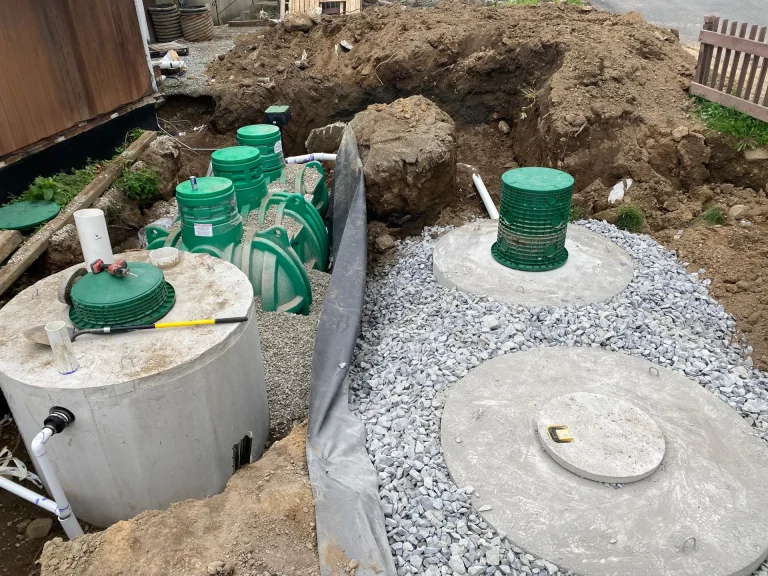
After that initial baseline, scheduling becomes much easier.
Build a schedule around the home you actually have
Once the system is inspected, map out a maintenance cycle that reflects real use. That cycle should be specific enough to guide you, but flexible enough to change if occupancy or water use changes.
For a smaller household with a healthy tank and conservative water use, the interval might reasonably land near the longer end of the common range. For larger families or homes with heavy use, the interval often shortens. Vacation rentals, multigenerational homes, and houses with periodic guest surges deserve special attention because peak usage can be far higher than the average suggests.
It also helps to think seasonally. If you live in a wet climate, periods of saturated soil can stress the drain field and make the whole system less forgiving. If the property is used heavily during summer, scheduling service before that period can make more sense than treating the calendar year as evenly distributed.
The point is not to create a complex formula. The point is to make the schedule reflect reality.
Keep service records like you would for a roof or furnace
One reason septic maintenance gets neglected is that it disappears from memory. There is no visible filter to change and no obvious annual tune-up reminder. Good recordkeeping fixes that.
Keep the pumping date, service company name, tank size, observations from the technician, and any recommendations in one place. If the provider notes high sludge levels after only two years, that is valuable evidence that your schedule needs tightening. If the tank is in good shape and the solids level is modest after three years, you may have some room to adjust.
Records also help when selling the property. Buyers appreciate documentation, and inspectors do too. A documented history of routine septic services signals that the home has been cared for.
Digital reminders work well here. Put the next estimated service window on a calendar, but include a note to reassess household changes six months before that date. If a child returns from college, a parent moves in, or the home shifts into short-term rental use, update the schedule before the system complains.
Pay attention to the subtle signs between appointments
A system often gives warning before a full-blown failure. The mistake is dismissing those warnings because sinks still drain eventually or the smell seems to come and go.
These are the signs that deserve prompt follow-up:
- Drains are getting slower across multiple fixtures
- Toilets gurgle or flush inconsistently
- Sewage odors appear inside or near the tank or drain field
- The grass over the drain field is unusually lush or wet
- Pumping was done recently, but symptoms returned quickly
Any one of these signs can have more than one cause, so they do not automatically mean the tank is overdue. Still, they should move you from routine scheduling into diagnostic mode. Waiting for a total backup is expensive and unnecessary.
One practical note: if symptoms emerge after heavy rain, mention that when you call. Weather patterns can help a technician distinguish between an overloaded tank, a struggling field, and a temporary hydraulic issue caused by saturated soil.
Do not let pumping become the only form of maintenance
Pumping is essential, but it is not the whole picture. Septic systems also need periodic inspection of components such as inlet and outlet baffles, effluent filters where installed, risers, lids, and pumps in systems that rely on them.
Effluent filters deserve special mention because they are easy to forget and can create significant flow issues if neglected. Some systems need that filter cleaned on a schedule that is more frequent than tank pumping. If your system has one, ask the service provider exactly how often it should be checked and whether the interval changes with occupancy.
Pump systems and advanced treatment units require even more attention. If your property uses alarms, floats, control panels, or aerobic components, the service schedule is not optional. Those systems have parts that can fail mechanically or electrically, and they usually perform best with professional monitoring.
This is where a relationship with a reputable local provider pays off. A good septic company will not just pump and leave. They will note trends, explain what they see, and tell you when your schedule should change.
Household habits can stretch or shorten the interval dramatically
Two homes with identical tanks can have very different service needs simply because their daily routines are different.
Laundry is a common example. Septic systems dislike sudden hydraulic surges. Running many loads in one day sends a large volume of water through the system before the tank and field have time to recover. Spacing loads across the week usually helps.
Kitchen behavior matters too. Food scraps, grease, and oils do not belong in a septic tank. A garbage disposal makes this worse by sending more solids into a system that was never designed to digest a constant stream of ground food. If a household uses the disposal heavily, shorter pumping intervals are common.
Water leaks deserve more attention than they get. A running toilet can move a surprising amount of water, enough to stress a septic system continuously. Leaky fixtures do not just waste utility dollars. They can quietly shorten the life of a drain field.
It helps to review habits once or twice a year, especially after a change in occupancy or renovation. A finished basement with a new bathroom, a larger soaking tub, or a new high-capacity washer all affect the septic load, whether the owner thinks about it or not.
Choose timing that makes service easier, safer, and cheaper
A lot of owners schedule service only when a problem forces it. A smarter strategy is to choose conditions that support good work.
Dry weather often makes access easier and gives technicians a clearer view of the property. Frozen ground, flooded yards, or deeply buried lids can complicate even routine service. If your area has harsh winters, booking before the cold season can be practical. If spring rains routinely saturate the yard, a late summer or early fall visit may make more sense.
Accessibility affects price and convenience. If the tank lids are buried, consider installing risers. That one upgrade can make future septic services faster, cleaner, and sometimes less expensive because the crew does not need to locate and excavate access points each time.
It is also wise to avoid last-minute booking during peak seasons. In many areas, service companies become busiest when the weather improves and property owners start tackling deferred maintenance. Waiting until you already have warning signs often means competing for the earliest appointment.
What to discuss when you call a septic service company
A useful service visit begins before the truck arrives. The more accurate the information you provide, the better the scheduling and diagnosis usually are.
Be ready to describe the age of the system if known, the last pumping date, approximate household size, whether the problem is routine maintenance or active symptoms, and whether the property has a conventional gravity system, pump tank, or advanced treatment unit. Mention recent heavy rain, remodeling, or any major change in occupancy. If the company asks where the tank is and you do not know, say so plainly. Guessing wastes time.
The best providers will also tell you what is included. Some appointments cover pumping only. Others include a basic inspection of accessible components. Ask whether they check sludge levels, inspect baffles, clean filters, or provide written notes afterward. Those details matter when you are trying to maintain a reliable long-term schedule.
A simple review routine that keeps owners on track
You do not need an elaborate property management system to stay ahead of septic maintenance. A short seasonal review is usually enough.
- Confirm the last service date and the expected next window
- Note any change in household size or water use
- Check for soggy spots, odors, or drain performance changes
- Repair leaks and running toilets promptly
- Call sooner if symptoms appear, even if the next service date seems far away
That small habit catches most scheduling mistakes before they become expensive.
Special cases that deserve tighter oversight
Some properties fall outside the usual maintenance rhythm. Older systems with uncertain installation standards need closer watching, especially if soil conditions are poor or the drain field is near the end of its life. Lake homes and rural properties with well water deserve extra care because septic failure can affect water quality directly.
Rental properties are another category where schedules often drift. Tenants may not know what should and should not enter the system, and owners may not see early signs in the yard or plumbing. In those cases, planned septic services at conservative intervals are usually cheaper than relying on tenant reports and emergency calls.
Homes with frequent guests can be deceptive. A https://israelvovv344.brightsora.com/posts/septic-services-during-winter-cold-weather-care-tips couple may assume they are a light-use household, then host family for several weeks every summer and unknowingly put the system through its highest stress period. If that pattern repeats, the service schedule should account for it.
The value of judgment over rigid rules
The best septic maintenance plans are consistent, but not mechanical. A rigid calendar can be better than neglect, yet it still falls short if no one adjusts for changing conditions. Good scheduling combines a baseline interval, periodic inspection, careful records, and enough awareness to respond when the system starts behaving differently.
That balance is what keeps routine septic services routine. The goal is not to pump as often as possible or to stretch the interval as far as possible. The goal is to service the system at the right time for the way the property actually lives. When that happens, septic maintenance stops feeling mysterious. It becomes one more disciplined part of responsible home ownership, and a far less costly one than many people fear.
Excavating New Jersey LLC
Address: 406 County Rd 565, Wantage, NJ 07461
Phone number: +19737914284
FAQ About Septic Services
What is the average cost to get a septic tank emptied?
Emptying a septic tank costs between $290 and $560 on average, with most homeowners paying about $420. Prices vary based on tank size.
What is septic service?
Septic service inspects, pumps, cleans, and maintains a septic tank. A septic tank is a large, underground container that collects and treats wastewater from your home. Over time, sludge, scum, and other debris, like hair and solids, can build up in your tank and clog your drain field.
How often should you have a septic tank serviced?
A standard septic tank should be inspected every 1 to 3 years and pumped every 3 to 5 years. However, the exact schedule depends on your tank's capacity, household size, and daily water usage.